Kitchen Drains That Process Food Waste
Garbage Disposal Replacement in Huntington Beach for jammed units, persistent leaks, and disposal systems that no longer grind effectively
A garbage disposal that hums without spinning indicates a jammed flywheel caused by bones, utensils, or fibrous material wedged in the grinding chamber, while water leaking from the unit housing signals gasket failure or cracked components that require replacement rather than repair. Disposal units lose grinding effectiveness over time as the impeller arms and shredder ring wear down, leaving chunks of food waste that clog drain lines and create odors beneath the sink. Licensed plumbers at Ollie's Plumbing and Rooter Service inspect kitchen plumbing connections and electrical components in Huntington Beach properties before installing replacement disposal systems that restore proper waste processing and drainage function.
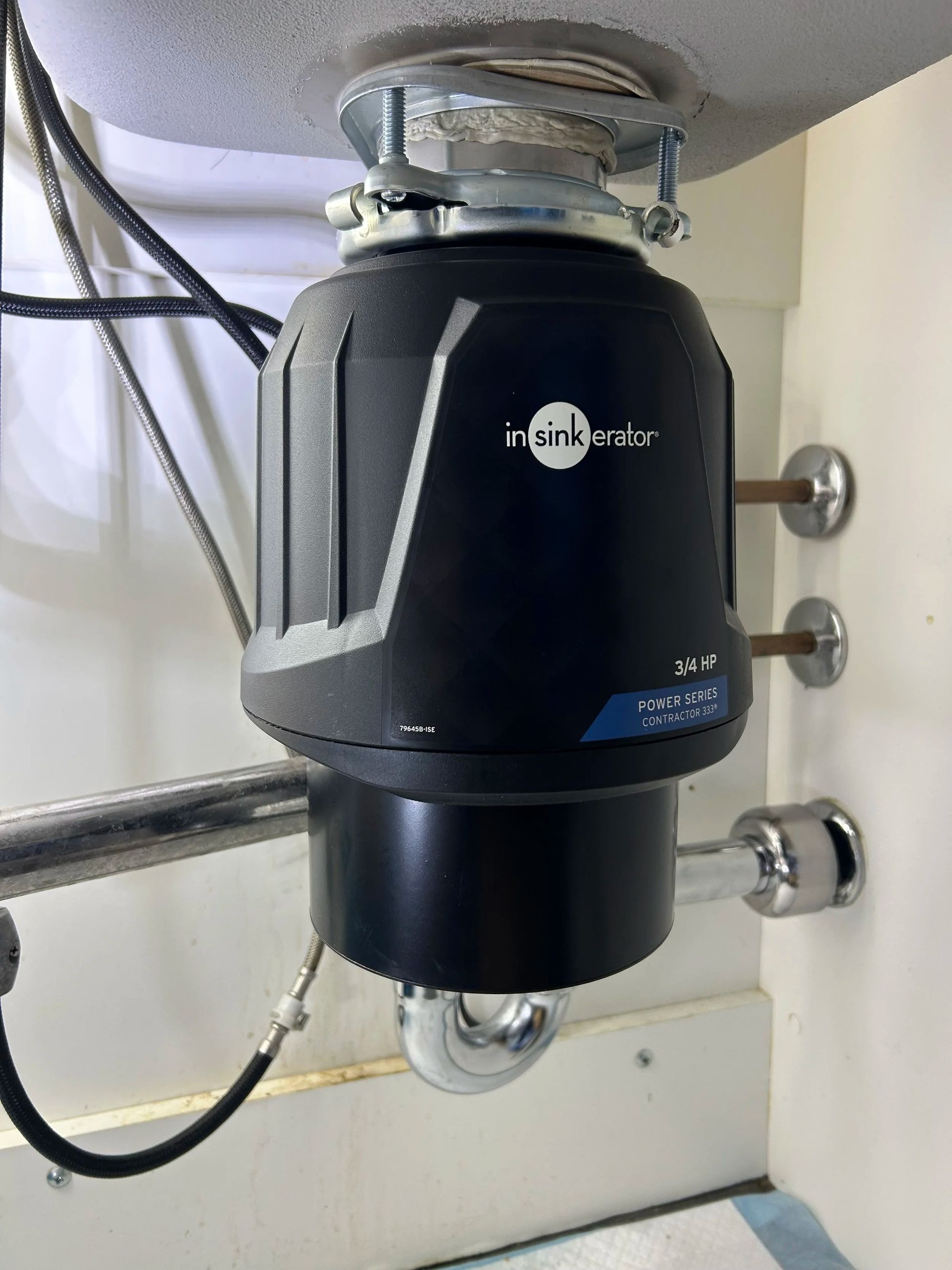
The replacement process involves disconnecting the existing unit from drain plumbing and electrical supply, verifying that sink mounting hardware remains secure, and installing a compatible disposal model sized appropriately for daily kitchen use. Plumbers connect discharge tubes to existing drain lines, secure electrical wiring according to code requirements, and test the system under water flow to confirm proper operation without leaks or unusual vibration.
Request a disposal system evaluation if your unit frequently jams, leaks beneath the sink, or no longer grinds food waste into particles small enough to flow through drain pipes.
Why Disposal System Condition Matters
Garbage disposal installation requires matching motor horsepower to household needs, with higher-power units handling tougher food waste and providing longer service life in kitchens that process significant vegetable scraps and moderate food debris. Proper installation includes securing the mounting assembly to prevent loosening from vibration, connecting the discharge elbow at the correct angle to avoid drainage restriction, and installing a dedicated electrical circuit with ground-fault protection. The dishwasher drain connection must be positioned to prevent backflow while allowing proper drainage.
After replacement completes, the disposal grinds food waste into fine particles that flush through drain lines without accumulating, water drains from the sink without standing or backing up during operation, and no moisture appears on cabinet floors beneath the unit. The absence of grinding metal sounds, burning odors, or excessive vibration indicates the motor operates correctly and internal components align properly within the grinding chamber.
Disposal systems handle vegetable peels, small food particles, and soft organic waste but should not process fibrous materials like celery stalks, expandable foods like rice or pasta, or hard items including bones and fruit pits that damage grinding components. Running cold water during and after use helps flush waste through drain lines and prevents grease from solidifying inside pipes. Emergency plumbing service addresses severe kitchen drainage problems when damaged disposal systems cause water backups or leak extensively beneath sinks.
Questions Before Starting Your Project
Homeowners and commercial kitchen managers want to understand disposal sizing, installation requirements, and how to prevent recurring drainage problems after replacement.
What determines the correct garbage disposal size for a residential kitchen?
Motor horsepower ranging from one-third to one full horsepower affects grinding power and durability. Households that cook frequently and process substantial vegetable waste benefit from one-half to three-quarter horsepower units that grind efficiently and resist jamming. Smaller households with minimal food waste disposal needs function adequately with one-third horsepower models, while larger families or light commercial use requires three-quarter to one horsepower motors.
How does a disposal system connect to existing plumbing and electrical systems in Huntington Beach homes?
The disposal mounts to the sink drain opening using a three-bolt mounting assembly that supports the unit weight and seals against leaks. A discharge elbow connects the disposal outlet to the existing drain trap, while the dishwasher drain line attaches to a dedicated inlet on the disposal body. Electrical connection requires a 120-volt grounded outlet beneath the sink or hardwired connection to a dedicated circuit with a wall switch for operation control.
What causes recurring clogs in kitchen drains even with a functioning garbage disposal?
Grinding fibrous vegetables like celery or corn husks creates long strands that tangle rather than breaking into small particles, which causes drain blockages downstream from the disposal. Pouring grease down the drain while running the disposal coats pipe interiors and traps food particles as the grease cools and solidifies. Inadequate water flow during disposal operation prevents waste from flushing completely through drain lines, allowing accumulation in the trap or further down the system.
Why do garbage disposals leak from the bottom or side connections?
The rubber gasket between the sink flange and disposal inlet deteriorates over time, allowing water to seep through the mounting assembly. Loose mounting bolts permit movement during operation that breaks the seal. The discharge elbow connection may loosen from vibration or develop cracks where plastic components join metal fittings. Internal housing cracks from corrosion or impact damage also cause leaks that cannot be repaired and require full unit replacement.
When should emergency disposal replacement be requested instead of waiting for scheduled service?
Call for urgent service when water leaks extensively beneath the sink and cannot be stopped by tightening connections, when the disposal motor runs but produces burning smells indicating electrical failure, or when the unit causes complete drain blockage that prevents sink use. These situations require immediate attention to restore kitchen function and prevent water damage to cabinetry.
Ollie's Plumbing and Rooter Service installs garbage disposal systems in residential and light commercial kitchens throughout Huntington Beach. Schedule replacement service to address disposal failures before leaks damage cabinets or drainage problems affect kitchen operation.