Drain Systems That Handle Kitchen Waste
Grease Removal in Huntington Beach for drain blockages, foul odors, and restricted water flow in commercial kitchens
Heavy grease accumulation creates a coating inside drain pipes that narrows the opening and traps food particles, leading to slow drainage, backup odors, and eventually complete blockages that halt kitchen operations. Restaurants and food-service businesses face recurring drain problems when cooking oils solidify inside pipes and combine with food waste to form stubborn obstructions. Ollie's Plumbing and Rooter Service uses professional drain cleaning equipment designed to break apart grease layers and restore full pipe diameter in Huntington Beach commercial and residential properties.
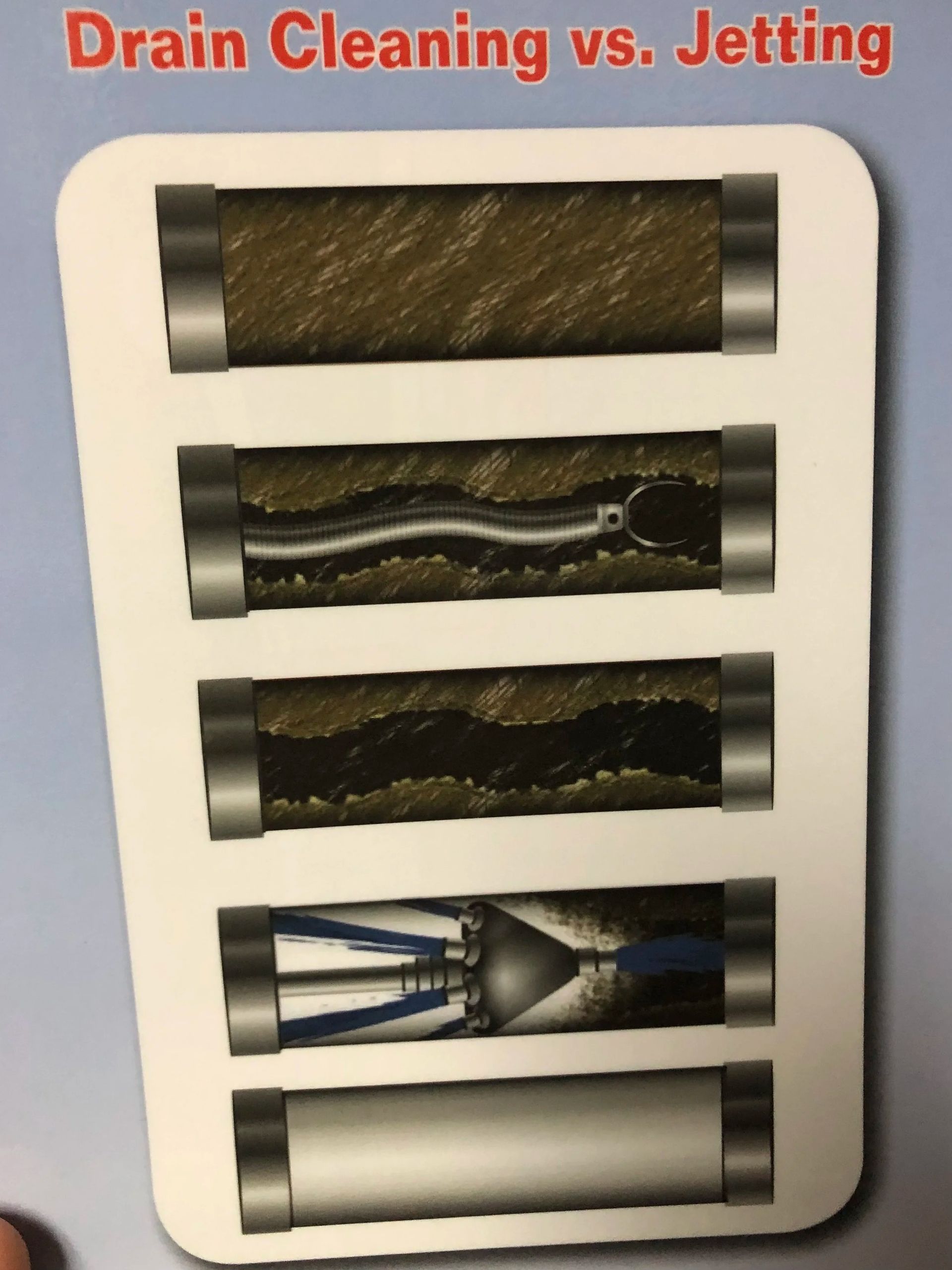
The removal process involves mechanical augers and hydro-jetting systems that cut through grease buildup and flush residue from drain lines. Unlike chemical treatments that temporarily liquefy surface grease but leave underlying deposits intact, mechanical cleaning removes the accumulated material that restricts flow. Technicians assess drain condition after cleaning to identify whether grease damage has corroded pipe interiors or created permanent narrowing that requires additional intervention.
Request a commercial kitchen drain evaluation to determine grease buildup severity before blockages force emergency service calls during business hours.
How Grease Removal Addresses Drain Restriction
Professional grease removal targets the hardened layer of fats, oils, and food solids that cling to pipe walls and reduce effective drain diameter. High-pressure water jets break the bond between grease deposits and pipe surfaces, while rotating cable systems cut through obstructions and pull debris back through cleanout access points. The cleaning extends through the entire affected section rather than just the visible drain opening where symptoms appear.
After grease removal completes, sinks drain at normal speed without standing water, foul odors from decomposing organic material no longer rise through drain openings, and the gurgling sounds caused by air trapped behind grease blockages disappear. Water flows freely during peak kitchen activity without backing up into adjacent fixtures or overflowing onto floors, which eliminates the operational disruptions and health code violations that grease-clogged drains create.
Routine grease removal services scheduled quarterly or monthly depending on kitchen volume help maintain drain performance and reduce the likelihood of severe blockages that require emergency plumbing response. Technicians explain maintenance practices including proper grease trap servicing, avoiding pouring oils down drains, and using strainers to catch food particles before they enter drain lines. Emergency service addresses severe blockages and plumbing overflows when grease accumulation completely stops drainage.
What Property Owners Usually Ask
Commercial kitchen managers and residential property owners want to understand how often grease removal should occur and what causes recurring drain problems despite regular cleaning efforts.
How does grease damage differ from other types of drain clogs?
Grease solidifies as it cools inside pipes, creating a sticky coating that captures hair, food particles, and soap residue to form dense blockages that grow thicker over time. Unlike temporary obstructions caused by foreign objects, grease accumulation builds gradually and hardens into a substance that resists simple plunging or chemical drain cleaners, requiring mechanical removal equipment to restore flow.
What determines how frequently commercial kitchens need professional grease removal?
High-volume restaurants that prepare fried foods or use substantial cooking oils typically require monthly drain cleaning to prevent buildup from overwhelming the system. Lower-volume establishments or those with effective grease trap systems may extend service intervals to quarterly. The frequency depends on the volume of grease entering drains, water temperature during rinse cycles, and whether food particles are screened before reaching drain lines.
Why do chemical drain cleaners fail to resolve grease blockages permanently in Huntington Beach properties?
Chemical products generate heat that temporarily liquefies surface grease, allowing it to flow further down the pipe where it re-solidifies and creates blockages in sections harder to access. The chemicals also damage older pipe materials and fail to remove the hardened grease layer bonded to pipe walls, which means blockages return within days or weeks as additional grease accumulates on the remaining deposits.
What preventative steps reduce grease-related drain problems between professional cleanings?
Scraping plates and cookware into trash receptacles before washing removes the majority of food oils, while using strainers in sink drains catches particles that would otherwise combine with grease. Running hot water during and after dishwashing helps move grease through pipes before it cools, and regular grease trap pumping prevents overflow into the main drain system.
When does grease buildup require emergency plumbing service rather than scheduled maintenance?
Contact emergency plumbing when sinks back up during service hours and prevent kitchen operation, when wastewater overflows onto floors and creates sanitation hazards, or when multiple drains throughout the facility stop working simultaneously. These situations indicate complete blockage in the main drain line that requires immediate mechanical cleaning to restore function.
Ollie's Plumbing and Rooter Service provides grease removal for commercial kitchens, restaurants, and residential properties throughout Huntington Beach. Schedule routine drain cleaning to maintain proper flow and prevent the emergency blockages that disrupt operations and damage plumbing systems.